
Imagine watching the sunrise over the Kruger National Park, exploring the colourful streets of Cape Town, or discovering the traditions of a small South African town. These are the experiences that make travel memorable. But behind every unforgettable journey are people who help bring it to life.
From the way destinations welcome visitors to how local businesses operate and natural attractions are protected, tourism management influences far more than the holiday experience.
It connects people, cultures, businesses and communities while helping destinations grow responsibly. So, what does tourism management involve, and why does it play such an important role in how we experience the world?
Understanding Tourism Beyond the Travel Experience
Most travellers remember the highlights of a journey: the places they visited, the people they met, and the experiences they enjoyed. What they rarely see is the planning, organisation and decision-making that made those moments possible.
Tourism management involves planning, developing and managing travel experiences, tourism businesses and destinations. It brings together business management, economics, marketing, cultural understanding and environmental sustainability to create experiences that benefit both visitors and the places they explore.
Consider a game lodge in one of South Africa's wildlife destinations. While guests enjoy game drives and beautiful surroundings, a team works behind the scenes to coordinate bookings, manage staff, maintain facilities, market the experience and support responsible tourism practices.
Every decision contributes to the visitor experience.
Studying tourism offers a different way of looking at the world. A destination becomes more than somewhere to visit. It becomes a place with its own stories, economic opportunities, environmental challenges and communities whose lives are connected to tourism.
For those interested in exploring this diverse industry, Boston City Campus offers programmes within its Hospitality, Events & Tourism field of study.
Connecting People, Cultures and Communities
At its best, tourism creates opportunities for people from different backgrounds to connect.
Travellers experience new traditions, discover local history, sample regional food and learn about ways of life that may be very different from their own. For local communities, tourism provides opportunities to share their heritage while developing businesses and employment.
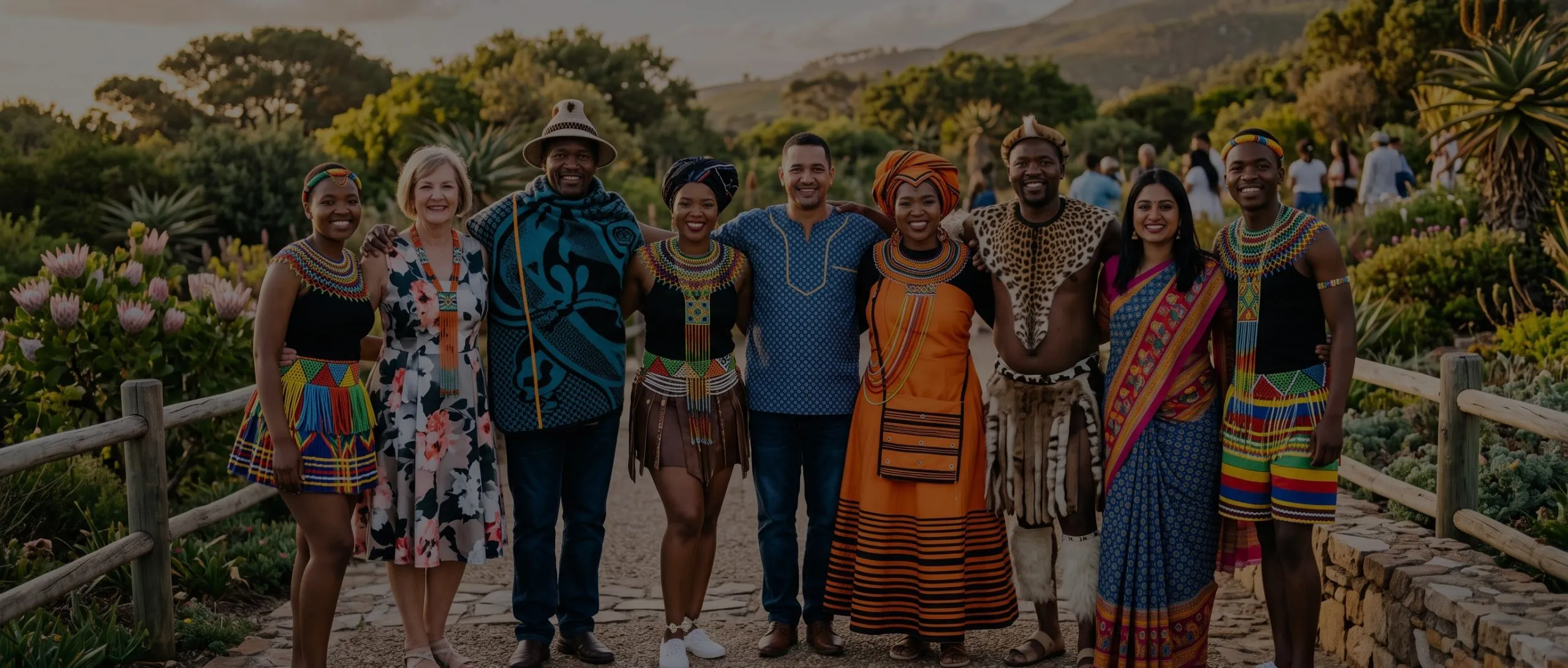
Across South Africa, cultural tourism brings these connections to life through guided township experiences, historical attractions, community-led tours, traditional crafts and local cuisine.
Imagine exploring a historic neighbourhood with a local guide. What begins as a sightseeing experience can become an opportunity to understand the area's history, meet local entrepreneurs and discover stories that might otherwise go untold.
These experiences can also support nearby restaurants, accommodation providers, artists and small businesses, helping tourism spending reach the surrounding community.
However, meaningful cultural tourism requires careful management. Experiences should respect local traditions, represent communities authentically and create opportunities for residents to participate in the benefits.
Tourism professionals help create the conditions for these encounters, ensuring that tourism offers something valuable to both visitors and hosts.
Tourism's Contribution to South Africa's Economy
Beyond its cultural and social value, tourism is an important contributor to South Africa's economy.
According to Statistics South Africa, the country welcomed approximately 10.5 million international tourists in 2025, exceeding pre-pandemic arrival levels.
The World Travel & Tourism Council (WTTC) also forecast that South Africa's travel and tourism sector would support approximately 1.9 million jobs in 2025, representing 11.3% of national employment.
These figures illustrate the industry's economic importance, but tourism's influence extends far beyond hotels, airlines and travel agencies.
A visitor spending a weekend in a small town may support a guesthouse, local restaurant, transport provider, tour guide and nearby retailers. Each transaction contributes to a wider network of businesses and livelihoods.
In rural communities and less-established destinations, tourism can also create opportunities for entrepreneurs to develop accommodation businesses, guided experiences and locally produced goods.
However, attracting more visitors does not automatically guarantee long-term economic benefits.
Tourism businesses need effective management, destinations require investment, and communities need meaningful opportunities to participate in the industry.
Professionals who understand these challenges can help tourism grow in ways that support businesses, employment and the communities that make each destination distinctive.
Why Sustainable Tourism Matters
South Africa's wildlife, coastlines, landscapes and cultural heritage are among its greatest tourism attractions. Yet the very qualities that draw visitors can also be threatened when destinations are not managed responsibly.
Consider a popular wildlife reserve attracting increasing numbers of tourists. More visitors may create employment and support nearby businesses, but higher visitor numbers can place pressure on natural resources, infrastructure and wildlife habitats.
How can a destination welcome more travellers without damaging the environment that makes it worth visiting?
This is one of the central questions of sustainable tourism.
Sustainable tourism aims to balance economic growth with environmental protection, cultural preservation and the needs of local communities.
In practice, this may involve managing visitor numbers, reducing waste, conserving water, supporting local suppliers and encouraging tourism activities that respect natural environments.
The same principles apply to heritage sites, coastal towns, urban attractions and community-based tourism initiatives.
Tourism managers play an important role in balancing these competing priorities. Their decisions can influence how destinations develop, how resources are used and whether tourism continues to benefit future generations.
Protecting a destination is not separate from creating a successful tourism experience. It is part of ensuring that the experiences travellers value today remain possible tomorrow.
How Tourism Marketing Brings Destinations to Life
Every destination has a story to tell, but reaching the right travellers requires more than an attractive photograph or a memorable slogan.
Before booking a trip, travellers often explore destinations through websites, social media, online reviews, videos and recommendations from other visitors.
A photograph of a hiking trail in the Drakensberg, a video showcasing a cultural experience, or a positive review of a local guesthouse can influence where someone chooses to travel.
Tourism marketing helps connect these experiences with the people most likely to enjoy them.
Consider a small guesthouse in a lesser-known South African destination. Its success may depend not only on offering comfortable accommodation but also on helping potential visitors discover the area, understand nearby attractions and feel confident about making a booking.
Effective tourism marketing involves understanding visitor expectations, communicating what makes an experience distinctive and building trust before a traveller arrives.
However, the story does not end when someone makes a booking.
Visitors increasingly share their experiences through photographs, reviews and recommendations, helping shape how others perceive a destination.
Tourism professionals must therefore consider both how an experience is promoted and how it is delivered.
A destination's reputation grows through the experiences people have and the stories they share afterwards.
Career Opportunities in Tourism Management
Tourism is a diverse global industry, bringing together businesses and organisations that create, manage and promote travel experiences.
From hotels and resorts to tour operators, travel agencies and visitor attractions, the industry offers opportunities for professionals with an understanding of business management and tourism operations.
Graduates with a tourism management qualification may explore career opportunities across hotels, resorts, travel agencies, tour companies, visitor centres, theme parks, convention centres, events companies, restaurants, cafés and bars.
While these businesses offer different experiences and services, they share a common need for effective planning, financial management, marketing and customer service.
This is where tourism management skills become valuable, helping businesses operate effectively while creating positive experiences for visitors.
Studying Tourism Management at Boston City Campus
Behind every successful tourism experience is a combination of business knowledge, planning, cultural understanding and responsible decision-making.
The Bachelor of Commerce in Tourism Management (New qualification page URL to be inserted) at Boston City Campus is designed to provide students with broad and coherent knowledge of business management, alongside the skills needed to pursue professional opportunities within the tourism management sector.
The qualification combines a commerce foundation in accounting, economics and management with tourism-focused studies, including tourism policy and planning, sustainable development, hospitality, marketing and enterprise.
This approach helps students understand not only how memorable tourism experiences are created, but also how the businesses and organisations behind them are planned, managed and developed.
Bachelor of Commerce in Tourism Management at a Glance
The programme is delivered online through Boston's learning management system, with filmed lectures, academic support from full-time educators, and digital prescribed textbooks provided through TEXTBOOKS+, included in the module fee.
Students also have access to Boston's nationwide network of Support Centres, providing student support throughout their studies.
Graduates may pursue further study in tourism, management and related fields, subject to the receiving institution's admission requirements.
- Qualification: Bachelor of Commerce in Tourism Management
- SAQA ID: 125035
- NQF Level: 7
- Credits: 390
- Minimum duration: Three years
- Study mode: Online distance learning
-
Professional recognition: Candidate for Accreditation with the Accreditation Council for Business Schools and Programs
(ACBSP), USA
Helping the World Come Alive Through Tourism
Tourism is about more than visiting new places. It is about the people who welcome travellers, the communities that share their stories, and the professionals who help destinations develop while protecting what makes them special.
From a guided cultural experience to a carefully managed wildlife destination, successful tourism depends on thoughtful decisions that balance visitor expectations with business, community and environmental needs.
As South Africa continues to attract travellers from around the world, understanding how tourism works and how it can be managed responsibly remains increasingly relevant.
For those who are curious about the world and interested in the connections between people, places and business, tourism management offers an opportunity to explore the industry from an entirely different perspective.
After all, some of the most memorable journeys are made possible by people whose work travellers may never see.
Frequently Asked Questions
What does a tourism manager do?
A tourism manager helps plan, organise and oversee tourism operations, services or destinations. Depending on the role, responsibilities may include coordinating visitor experiences, managing staff and budgets, promoting tourism businesses, maintaining service standards and supporting sustainable tourism practices.
How does tourism management benefit local communities?
Effective tourism management can help create employment, support small businesses and encourage spending within local economies. It can also provide opportunities for communities to share their cultural heritage through guided experiences, local attractions and tourism enterprises. Responsible planning helps ensure that local residents have opportunities to participate in and benefit from tourism development.
How does sustainable tourism influence the way destinations are managed?
Sustainable tourism encourages managers to consider the long-term environmental, economic and social effects of tourism activities. This may involve protecting natural resources, managing visitor numbers, reducing waste and working with local communities. The aim is to maintain positive visitor experiences while preserving the qualities that make destinations attractive.
What do you study in tourism management?
Tourism management studies combine business principles with an understanding of the travel and tourism industry. Subjects may include tourism planning, marketing, hospitality, economics, business management and sustainable development. The Bachelor of Commerce in Tourism Management at Boston City Campus combines commerce subjects with tourism-focused studies, helping students understand how tourism businesses and destinations operate.