
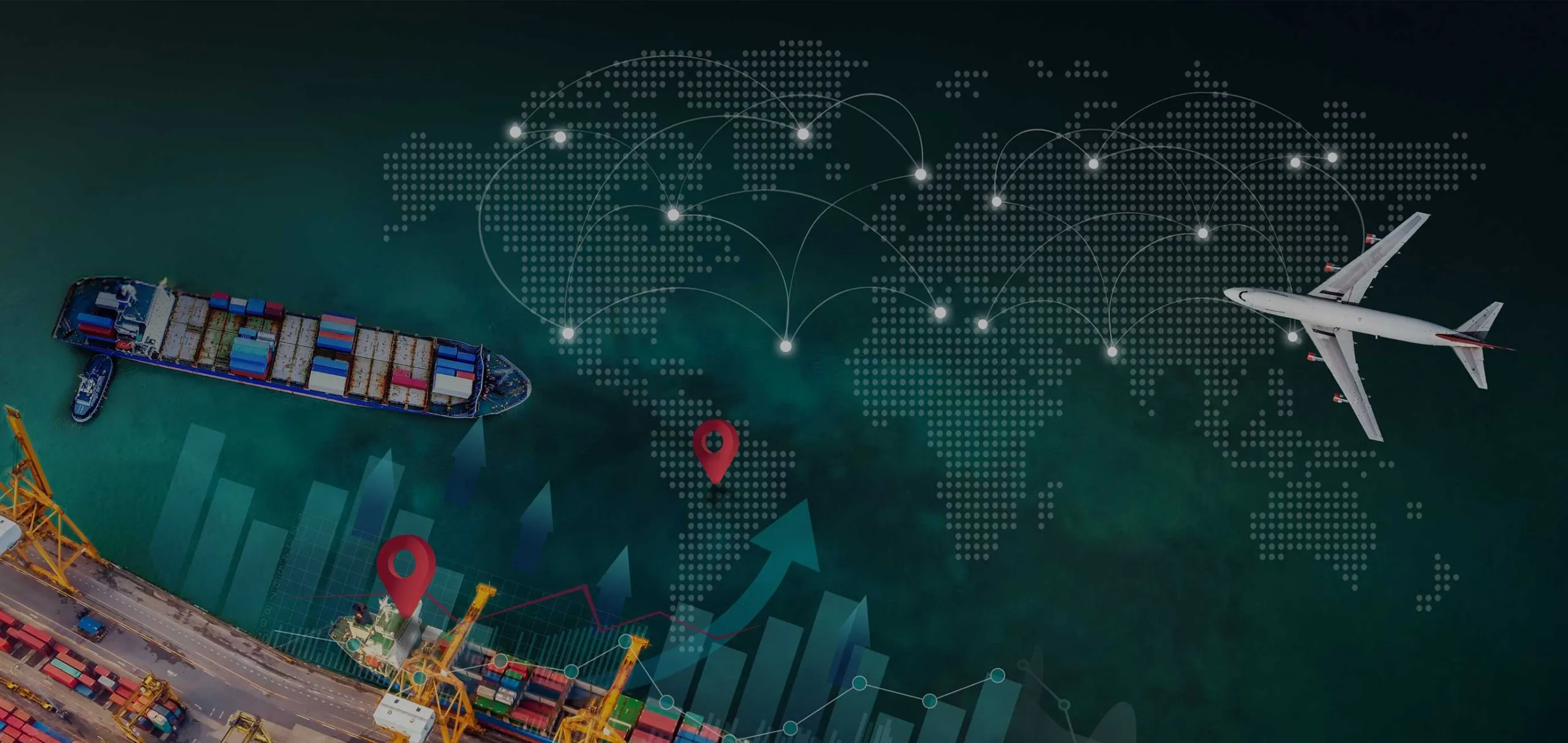
Before goods reach another country, someone needs to get the details right. Shipping documents, customs requirements, payment arrangements and delivery schedules all play a part in keeping international business moving.
Boston City Campus has introduced its Higher Certificate in International Trade Practice, a new qualification offering students a practical introduction to importing, exporting, logistics and international business operations.
Learn What Keeps Global Trade Moving
International trade involves more than transporting products between countries. It requires coordination between suppliers, customers, transport providers and customs authorities.
Boston's Higher Certificate introduces students to these processes through eight compulsory modules:
- Principles of International Trade Practice: The foundations of international trade and cross-border business.
- Fundamentals of Operations in International Trade: Logistics, supply chains and operational risks.
- Import and Export Practice and Procedure: Customs requirements, shipping documentation and compliance.
- Introduction to International Trade Finance: International payments, financing arrangements and financial risks.
- Principles of International Marketing: How businesses approach international markets.
- Work Integrated Learning: Applying knowledge through a structured trade-related project.
- Academic Literacy: Developing academic research, reading and writing skills.
- Computer Literacy: Building digital and professional communication skills.
Together, these modules provide a foundation for understanding how international trade transactions are organised and managed.
Put Trade Knowledge into Practice
A key component of the qualification is Work Integrated Learning. Students apply their knowledge to a structured project involving practical international trade challenges. This connects what they learn about customs, finance, documentation and logistics with the procedures used in international business. The aim is to develop an understanding of how different parts of a trade transaction work together.
A Qualification with International Possibilities
The Higher Certificate carries 122 credits at National Qualifications Framework (NQF) Level 5 and is registered with the South African Qualifications Authority (SAQA) under ID 125249. It takes a minimum of one year to complete, with a maximum study period of three years, subject to programme requirements.
Graduates may explore entry-level opportunities in import and export administration, customs, shipping, freight forwarding and logistics, depending on experience and employer requirements. The qualification may also support progression to relevant NQF Level 6 qualifications, subject to admission requirements.
Study International Trade Online
Boston City Campus offers the Higher Certificate through its Open Distance e-Learning (ODeL) model, with academic teaching, coursework, assessments and support from full-time educators provided online. Prescribed digital textbooks through TEXTBOOKS+ are included in module fees, giving students access to essential learning materials.
Boston's nationwide network of Support Centres provides administrative assistance, computer access and connectivity support. Dedicated student advisors can assist with study planning and academic progress.
Who Can Apply?
Applicants generally require a National Senior Certificate or National Certificate (Vocational), with English passed and endorsement for Higher Certificate studies. A qualifying pre-2009 Senior Certificate with English may also be accepted. Alternative admission routes are subject to institutional requirements.
Understand the Business Behind Every Shipment
International trade depends on people who can organise information, follow procedures and coordinate the movement of goods across borders.
Boston's new Higher Certificate provides a structured introduction to these responsibilities, with practical learning that connects international trade principles to everyday business operations
Frequently Asked Questions
Does the qualification include practical learning?
Yes. Students complete a Work Integrated Learning module involving a structured international trade project.
What career opportunities can graduates explore?
Possible entry-level roles include Import Clerk, Export Administrator, Customs Clerk, Shipping Administrator and Logistics Administrator, depending on employer requirements.
Can I study International Trade Practice online?
Yes. Boston delivers academic teaching, assessments and educator support online, with administrative and connectivity assistance available through its nationwide network of Support Centres.